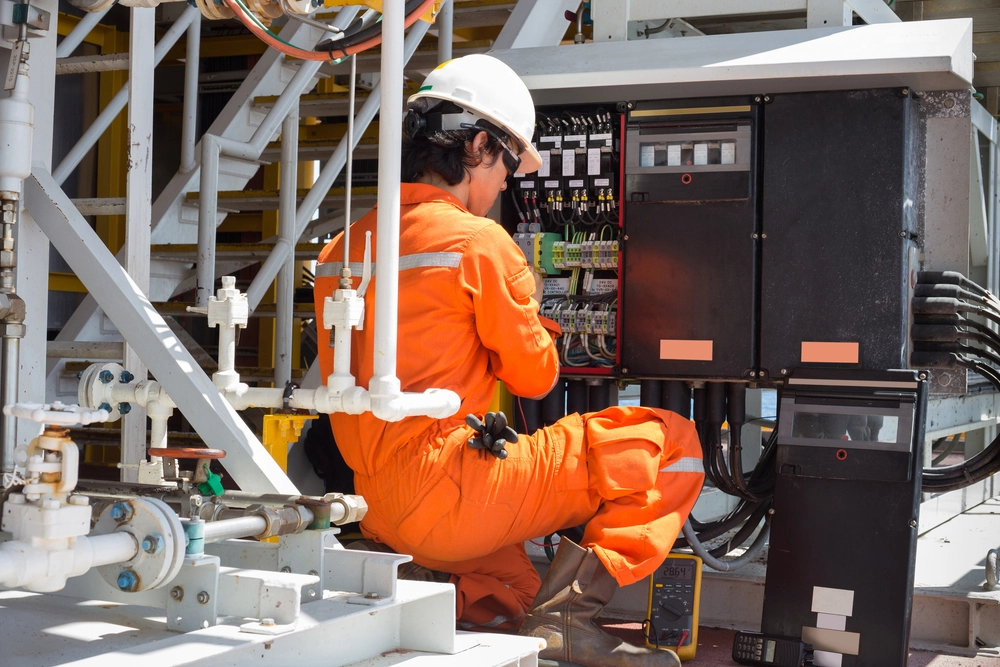
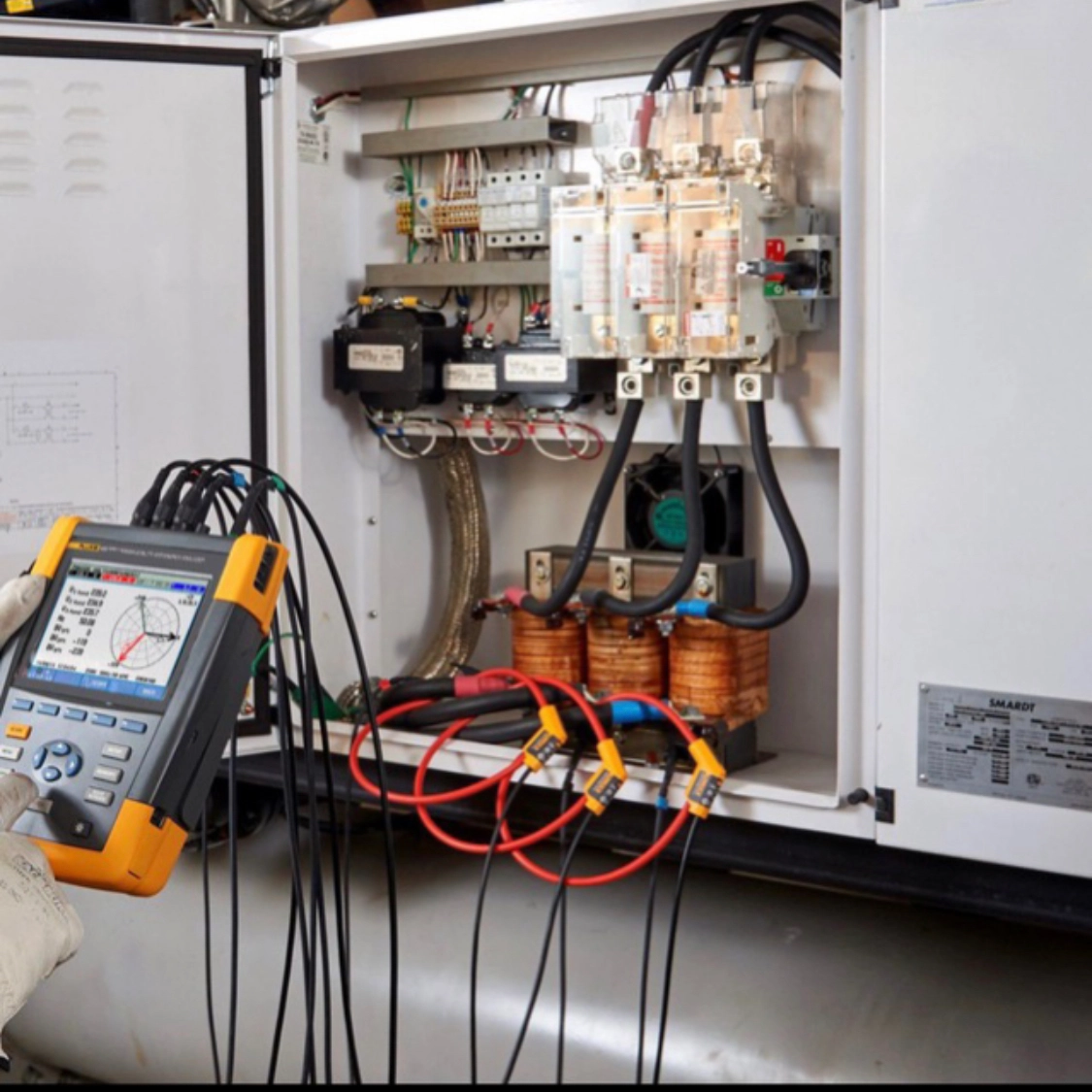
When power quality problems are investigated, grounding systems are often the last place engineers look — but they should be among the first. A compromised or poorly designed grounding infrastructure is a silent amplifier of every other power quality problem in a facility.
Why Grounding Is a Power Quality Issue
The grounding system provides a reference potential, a fault current path, and transient overvoltage protection. High ground impedance allows ground potential rise during fault events, appearing as common-mode voltage noise on sensitive equipment. Poor bonding creates ground loops that introduce 60 Hz and harmonic noise directly into instrumentation circuits.
Ground Impedance Effects
IEEE 142 recommends ground electrode resistance of 5 ohms or less for most industrial systems. Ground impedance testing using fall-of-potential or clamp-on methods should be part of any comprehensive power quality investigation. High ground impedance discovered during an audit often explains symptom patterns that were otherwise inconsistent.
Neutral-Ground Voltage: The Canary
Neutral-to-ground voltage (VNG) measured at a receptacle or panel should ideally be less than 1–2 volts. Elevated VNG indicates neutral current flowing through the grounding system — possible only if neutral and ground are bonded at more than one point, or if neutral conductor impedance is causing significant voltage drop. VNG above 3–5 volts reliably indicates a grounding problem.
Ground Loops and Common-Mode Noise
Ground loops occur when equipment is connected to two or more ground reference points at different potentials. The resulting current flow creates common-mode noise voltages in nearby signal cables. In industrial environments, ground loops are endemic in instrumentation, process control, and communication systems.
Testing and Maintenance
A complete grounding system assessment includes: ground electrode resistance measurement, neutral-to-ground voltage measurement, visual inspection of connections and bonding jumpers, clamp-on ammeter measurement of current on ground and neutral conductors, and verification of single-point ground bonding in distribution panels. NFPA 70B recommends periodic grounding system testing as part of an electrical maintenance program.
Frequently Asked Questions
How does grounding affect harmonics?
Grounding affects harmonics indirectly through neutral conductor loading. In three-phase systems, triplen harmonics (3rd, 9th, 15th) add in the neutral rather than canceling. A high-impedance neutral conductor carrying these harmonics develops significant neutral-to-ground voltage that appears as common-mode noise on connected equipment.
Contact Argoe Group to discuss your power quality assessment needs.** Our AEE-certified engineers are ready to help.